Inside South Korea’s Female Bodybuilding Scene
February 2, 2010Bodybuilding has long carried a reputation for being a fringe pursuit in South Korea, yet women’s competitive bodybuilding has quietly built a serious and growing presence on the peninsula. Behind the bright stage lights and the early-morning gym sessions sits a community of athletes who treat the sport with the same rigor as any Olympic discipline. The work is methodical, the standards are exacting, and the dedication required to step on stage is anything but casual.
What strikes most newcomers is how much of the sport happens long before competition day. Female bodybuilders in South Korea typically train year-round, structuring their lives around lifting schedules, recovery, and the slow accumulation of muscle that no shortcut can replicate. Progress is measured in months and seasons rather than weeks, and the patience this demands is a defining trait of the athletes who last.
The Training Culture
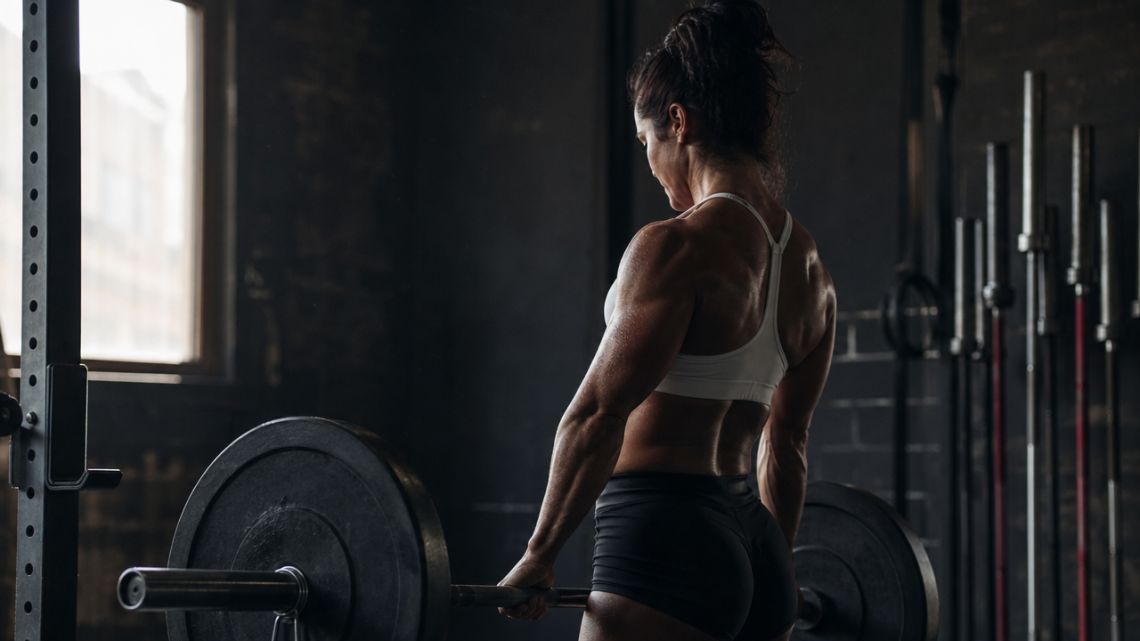
Strength training sits at the center of everything. Athletes work through heavy compound lifts, isolation movements, and carefully periodized routines designed to build balanced, symmetrical physiques. Many train in dedicated gyms in Seoul and other major cities, where coaches with competitive backgrounds pass down technique and programming knowledge. The culture leans heavily on consistency: showing up day after day, logging sessions, and refining form over years.
Nutrition is treated as a discipline in its own right. Competitors track intake closely, adjusting protein, carbohydrates, and overall calories across bulking and cutting phases. In the weeks before a show, the dieting becomes especially demanding, as athletes work to reduce body fat while preserving the muscle they have spent so long building. It is precise, often grueling, and it tests mental resilience as much as physical capacity.
The Competitive Circuit
South Korea hosts a range of physique and bodybuilding competitions, with categories that span from more accessible fitness divisions to the heavier muscular classes. Judging rewards muscularity, conditioning, symmetry, and stage presentation, and athletes spend considerable time rehearsing posing routines that display their hard-earned development to best effect. A polished posing routine can separate competitors whose physiques are otherwise closely matched.
The path through the circuit usually starts at regional or amateur events, with the strongest athletes progressing toward national-level competition. Some go on to test themselves on international stages, carrying the skills honed at home into a broader field. Each step up brings tougher fields and finer margins.
For many of these women, the appeal lies in self-improvement as much as trophies. The sport offers a clear, honest feedback loop: effort in the gym and kitchen translates visibly into results on stage. That directness draws a particular kind of competitor, one who values measurable progress and the quiet satisfaction of mastering a long, demanding process.
Mainstream attention remains limited, and sponsorship can be hard to come by, which means many competitors balance training with full-time work. Even so, the scene continues to expand, supported by a tight community of athletes and coaches who keep raising the bar. It is a small world built on big commitment, and the athletes within it are reshaping what the sport looks like in South Korea.