Shin Kicking: England’s Bruising Cotswold Tradition
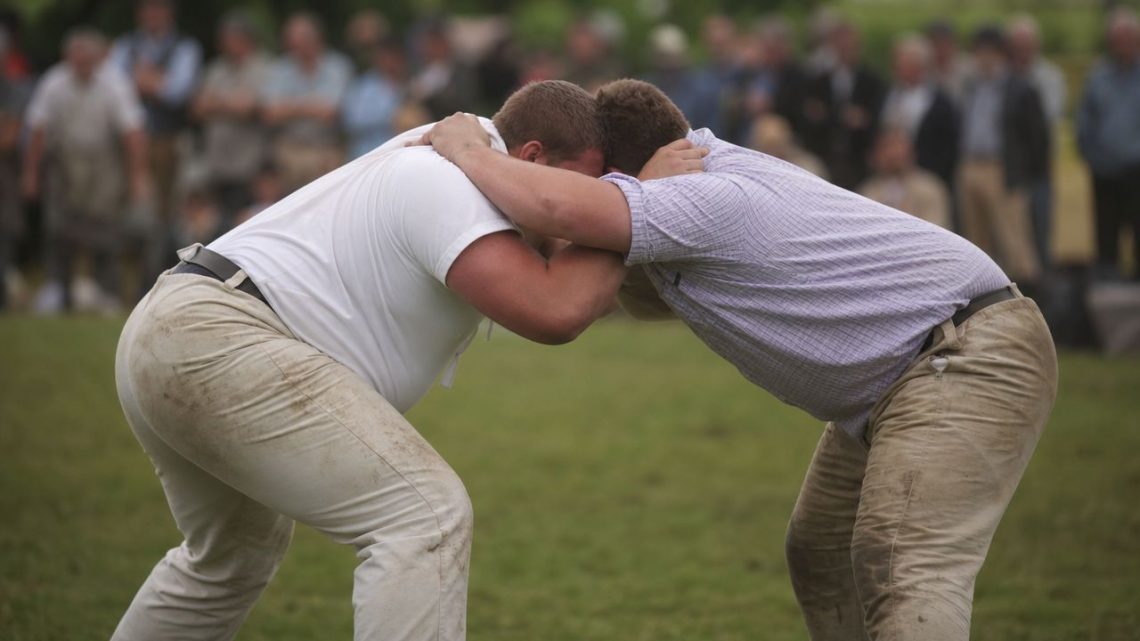
August 13, 2026Most sports go to considerable lengths to prevent competitors from kicking one another in the shins. One English tradition makes it the entire point. At the Cotswold Olimpick Games, an antic country gathering held in the rolling hills of Gloucestershire, two contestants face each other, grip one another firmly by the collar, and proceed to kick each other in the lower legs until one of them topples to the ground. The last person standing wins. It is exactly as painful as it sounds, and the crowds adore it.
The games themselves are an old and gloriously eccentric institution, dating back to the early seventeenth century when a local lawyer organised a programme of rural sports as a deliberately festive answer to the dour mood of the age. Over the centuries the event waxed and waned, was suppressed and revived, and through it all shin kicking endured as its most notorious headline act. There is something stubbornly English about a celebration that survives by encouraging people to bruise each other’s legs in good humour.
The Rules of Engagement
The format is brutally simple. Two competitors stand toe to toe and take a firm hold of each other’s shoulders or collar, and from that locked grip the kicking begins. A bout is won by forcing the opponent to the ground, and matches are typically decided over the best of three falls. An official, traditionally known as a stickler, watches closely to keep the contest within bounds and call the falls, lending the modern English word for a fussy rule-keeper its origin.
Strategy lives in the grip and the timing as much as in the kicks themselves. A competitor uses the hold to unbalance his rival, hooking and shoving to make him stumble while raining blows on the shins. The footwear matters too, with soft shoes favoured over anything that might do genuine harm. Skill lies in absorbing punishment without flinching while waiting for the moment to tip the other man over.
Padding, Pain and Persistence
Generations of shin kickers learned to stuff their trousers with straw, packing handfuls of it down their socks and over their shins to blunt the impact. The practice persists to this day, and bales are kept on hand at the event so contestants can armour themselves before stepping up. Even so, padding only softens the punishment rather than removing it, and competitors routinely walk away with the kind of bruises that take weeks to fade.
What keeps people coming back is the spirit of the thing. Shin kicking is fierce but rarely vicious, a test of grit conducted with a wink, and the title of champion carries real local pride. It sits squarely within the grand tradition of sports that hurt on purpose, a lineage that runs through every contest where pain is simply part of the bargain, much like the wince-inducing collisions catalogued in this magazine’s look at football’s most painful soccer ball moments.