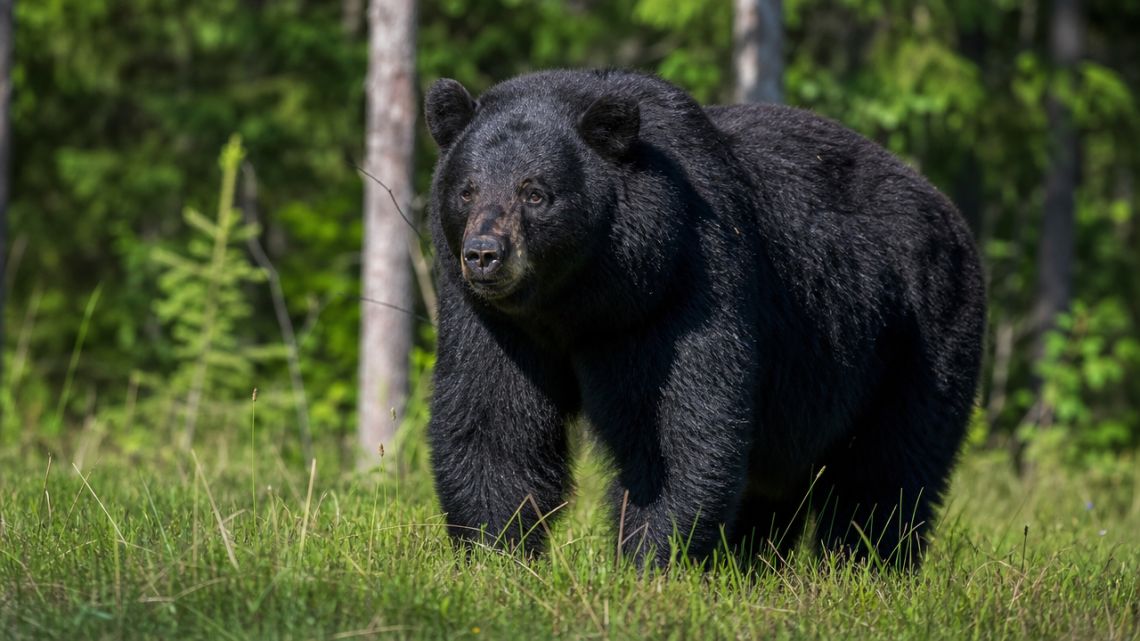
Caught on Camera: A Giant Black Bear in the Wild
June 12, 2006Every so often a photograph circulates that stops outdoor enthusiasts in their tracks: a black bear so large it seems to belong to a different species entirely. These giants of the forest capture the imagination precisely because they push against what people expect a black bear to look like. Most are sizeable but unremarkable; a rare few grow into hulking animals that fill the frame of a trail camera and leave hikers and hunters talking for years.
The truth behind these outsized individuals is less mysterious than it might appear, and it says a good deal about how wildlife thrives when conditions line up just right. Size in black bears comes down mostly to two factors working together over time: food and age.
Why Some Bears Grow So Large
A bear with reliable access to rich, calorie-dense food can pack on remarkable bulk. In regions where natural forage is abundant, or where bears live close to agricultural land and other easy food sources, an animal can reach a size well beyond the average. Add years to that equation and the picture completes itself. Bears continue to fill out as they mature, and an older male that has survived many seasons in a food-rich area has every opportunity to become genuinely enormous. The largest individuals tend to be these long-lived, well-fed survivors rather than freaks of nature.
This is why the truly giant bears are also relatively uncommon. It takes time, luck, and a generous landscape to produce one, and many bears never reach that potential because food varies or life is cut short.
Sharing the Outdoors Responsibly
For anyone heading into bear country, the appearance of a large animal is a reminder to behave thoughtfully. Black bears are generally wary of people and prefer to avoid them, but a careless approach can change that quickly. Hikers should make noise on the trail so as not to surprise a bear, keep a respectful distance, and never attempt to feed or approach one for a closer look. Food and scented items belong stored securely, well away from sleeping areas, since a bear that learns to associate humans with an easy meal becomes a danger to itself and to everyone who follows.
Hunters operating in the same country carry their own responsibilities, from knowing local regulations and seasons to making clean, ethical decisions in the field. Respect for the animal runs through both worlds, whether the goal is a harvest or simply a sighting.
That respect is also what makes wildlife photography so rewarding. Capturing a large bear on camera, whether through a patient stake-out or a well-placed trail cam, offers a glimpse of something powerful and largely hidden from daily life. The best images come from observers who keep their distance and let the animal be itself. A giant black bear caught on camera is a small triumph of patience, and a fine reminder of the wildness that still roams the woods.