Synchronised Swimming: Strange Beauty, Brutal Demands
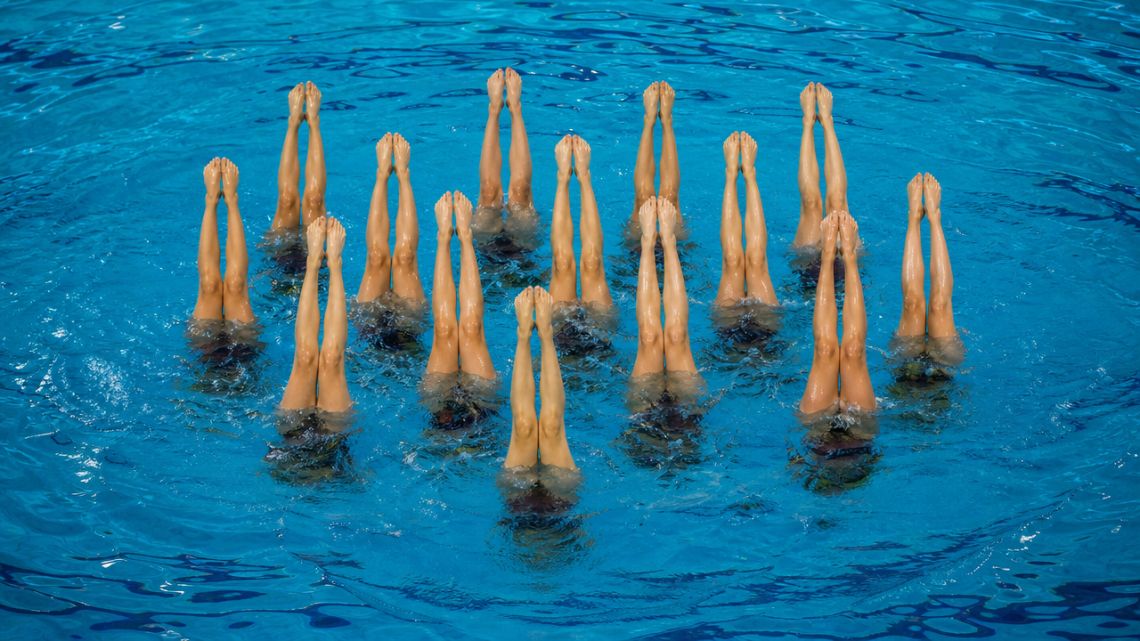
March 19, 2017Few sports are as widely misunderstood as synchronised swimming, now officially known as artistic swimming. To the casual viewer it can look like an elegant water ballet, all smiles and sequins and graceful arms breaking the surface in perfect unison. That impression is exactly the point, and it is also a brilliant piece of misdirection. Beneath the serene choreography is an endurance sport so physically punishing that many traditional athletes who try it surface within minutes, gasping and humbled.
The deception is built into the design. A good routine is meant to look effortless, with competitors holding fixed smiles even as their lungs burn and their legs churn furiously out of sight. The audience sees calm; the swimmer is anything but. Hidden below the waterline is a frantic, exhausting battle against the most basic facts of physics and human biology.
The Hidden Engine Below the Surface
Start with the eggbeater kick, the technique that keeps a swimmer high in the water without using the arms, which are busy performing above the surface. It is a rapid, alternating rotation of the legs that generates remarkable lift, and it has to be sustained for the length of a routine while the upper body remains poised and apparently relaxed. Holding the torso clear of the water this way requires the kind of leg strength and core control more often associated with sprinters or rowers.
Then there is the breath-holding. Routines are punctuated by long stretches underwater, often upside down, where surfacing for air is simply not an option without breaking the choreography. Swimmers learn to perform complex, oxygen-hungry movements while deliberately not breathing, sometimes for impressively long intervals, all while staying precisely on time with the music they can only faintly hear beneath the surface. Doing hard physical work while holding one’s breath runs against every instinct the body has.
Precision That Leaves No Margin
Timing is where the sport becomes almost cruel. In a team event, every limb of every swimmer is meant to move as one, judged on the smallest discrepancies. A fraction of a second out of sync, a hand at the wrong angle, a head that surfaces a beat early, and the illusion of a single organism shatters. The swimmers cannot easily see one another underwater, so much of the synchronisation relies on counting, muscle memory, and thousands of hours of repetition.
Taken together, the demands stack up in a way few other sports can match:
- Cardiovascular endurance rivaling distance events, performed largely without breathing freely.
- Strength and flexibility enough to throw teammates clear of the water in dramatic lifts.
- Artistic polish and split-second timing layered on top of all the physical strain.
That combination is why artistic swimming deserves far more respect than it usually gets. It asks its athletes to be endurance machines, gymnasts, and performers at once, then to hide every ounce of the effort behind a flawless smile. The strange beauty of the sport is real, but so are its brutal demands, and the gap between how it looks and how it feels may be the widest in all of athletics.